

By Sarah Ali
The air in the United Arab Emirates’ mountains carries the scent of sun-baked limestone and the herbal musk of the isbaq plant. To those viewing the Emirates only through a lens of steel and glass, the fractured silhouettes of the northern ranges appear as a daunting wall. Yet, for hikers, these peaks are a living tapestry of texture and sensory surprises.
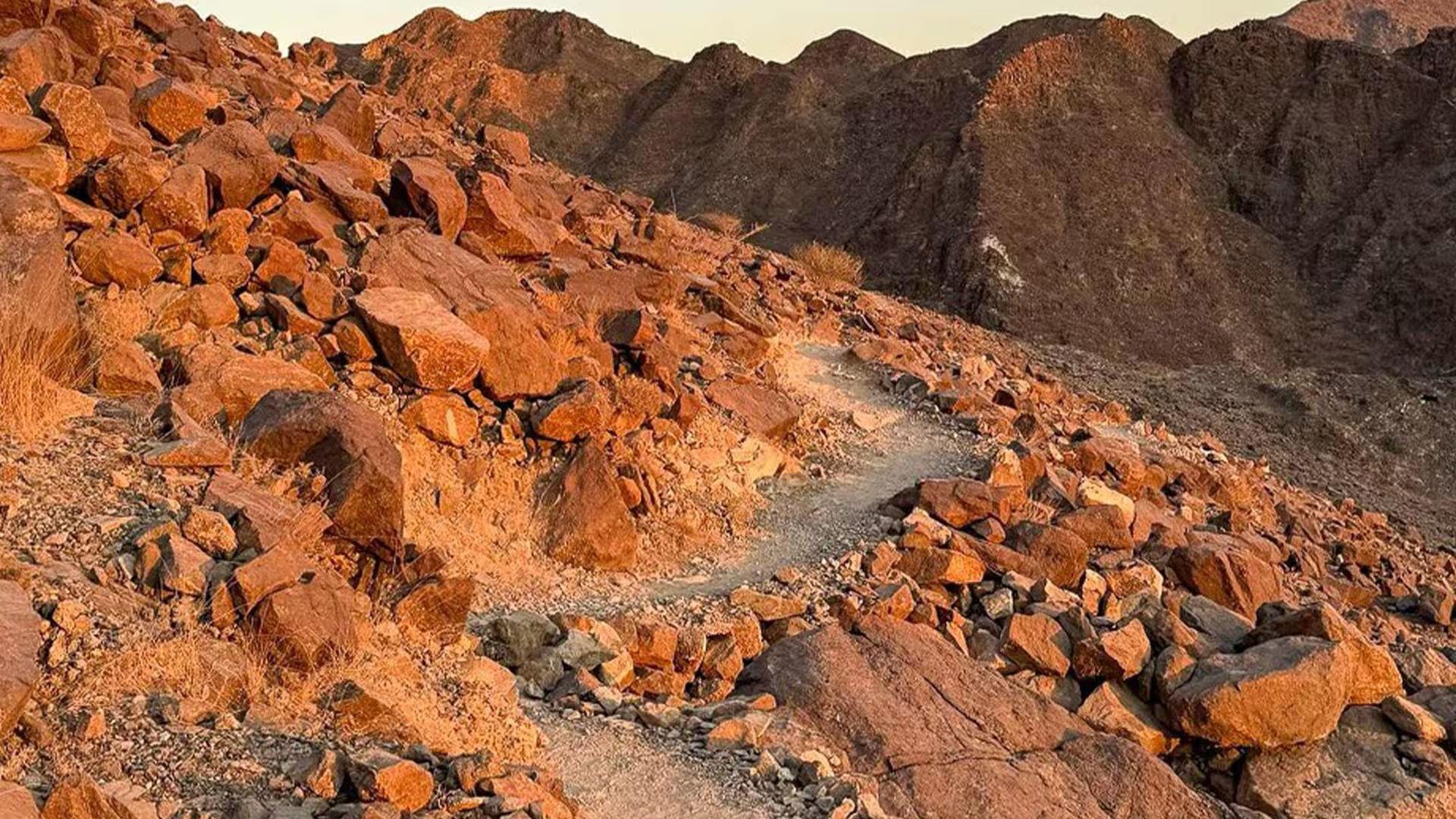
Haya Saleh, an experienced local hiker, describes the mountains as masters of disguise. Depending on how the sun hits the ridges, the stone shifts from a dusty charcoal to a deep, burnt ochre.
“Each mountain has a unique color,” Saleh says. “The textures are fractured and sharp, but there is beauty in that ruggedness.”
In the Hajar Mountains in Ras Al Khaimah, the trails are long, steep and intentionally intimidating. These paths often require a full day of navigation through narrow wadis and sharp ascents.
The journey often begins in a blinding, white heat that softens by 3 p.m. as shadows start to stretch. This transition from day to night reveals an intimate side of the Hajar Mountain range. As the sun dips between peaks to paint the sky in violet and gold, the heat stored in the limestone begins to dissipate.
In the heart of the Hajar Mountains, hiking in Wadi Shawkah at night introduces a different kind of intensity. The city’s sounds vanish, leaving only the crunch of gravel and the whistling wind. The trek often feels eerie in the dark, but it eventually leads to a sky dense with stars.
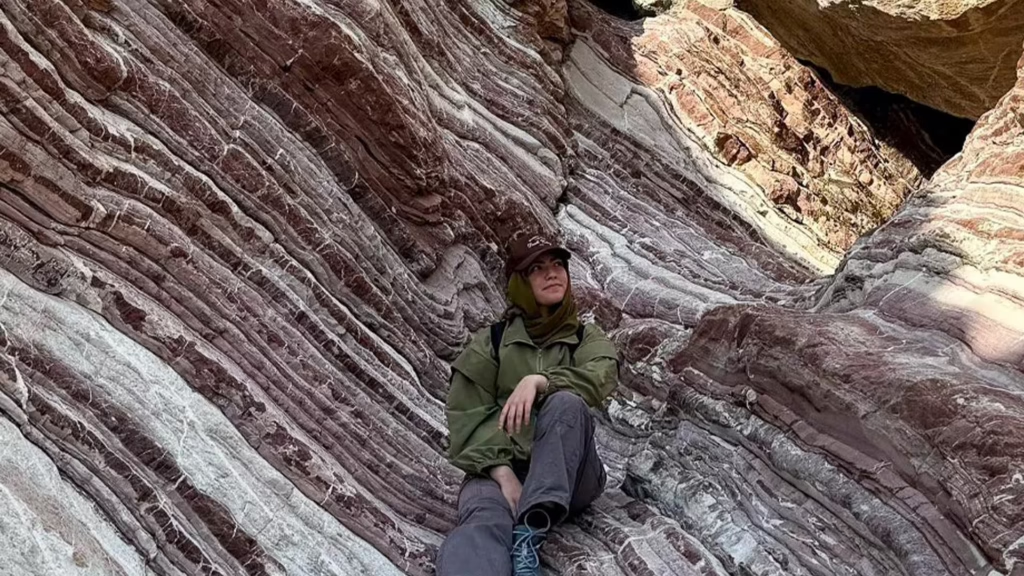
The slopes of RAK offer adrenaline, but the wadis of Fujairah provide art. This natural gallery includes Wadi Ghub, also known as Rainbow Valley because of its multicolored rock layers.
Standing before the mineral-streaked walls feels like witnessing a geological miracle where colors look almost wet against the dry air. While photos of these formations circulate online, the sensory reality is much more intense.
Reaching these trailheads generally requires a 90-minute drive from Dubai or Abu Dhabi. Although most public hiking trails remain free to enter, the overnight options vary. While Wadi Shawkah is the go-to for an unplugged camping experience, Wadi Ghub caters to travelers seeking the comfort of luxury mountain resorts after a demanding trek.
Whether it is the silence of a midnight trail or the shocking colors of a hidden valley, the UAE’s mountains offer a sanctuary for those willing to look closer. It is a world where the heartbeat of the land is felt through the soles of your boots.
As Saleh puts it, the experience eventually transcends the physical climb: “Walking along the mountain views shrinks everything else, until all that’s left is the quiet and the sense that I’m exactly where I’m meant to be.”